Passive income ideas UK 2026: 12 ways that actually work

Passive income in the UK is money your capital, your property, or a hands-off system earns for you without trading hours. The British setup makes it more attractive than most people assume: a £20,000 annual ISA allowance shelters interest, dividends and capital gains; the Rent a Room Scheme keeps £7,500 of lodger income tax-free; Premium Bond prizes are tax-free outright; and a handful of background-data apps will pay you in vouchers for sharing anonymised usage. This guide covers all 12 options worth considering in 2026, sorted by what they actually take from you.
For active options that pay faster, see our make money online UK guide.
Jump to a section ▾
- What counts as passive income in the UK
- Passive income from capital (the classic answer)
- No-capital: an app that pays you passively
- Not passive, but paid: Testerup, tested by us
- Passive income from things you own
- Other passive income streams
- UK tax-free allowances stacked
- How much can you realistically earn?
- What is not really passive (despite the listicles)
- Passive income UK FAQ
This article contains affiliate links. If you sign up through one of them we may earn a commission - the price stays the same for you, and it never influences our assessment.
What counts as passive income in the UK
"Passive income" has a strict meaning in personal finance and a looser one in marketing. The strict version: income that does not scale with the hours you put in once it is set up. The loose version: anything that is not a 9-to-5.
This guide uses the strict version. Buying shares in a dividend ETF inside a Stocks & Shares ISA is passive. Running an Airbnb is not (cleaning, check-ins, complaints). Letting a spare room under the Rent a Room Scheme is. Selling on Vinted is a side hustle. Earning interest on a Cash ISA is passive. Building a YouTube channel from scratch is not.
Passive income from capital (the classic UK answer)
If you already have savings or are building them up, this is where the bulk of UK passive income lives. The ISA wrappers do most of the heavy lifting on tax. The five options below cover the standard build for someone who wants a hands-off income stream from a pot of money.
For most UK adults this is the single biggest lever. You open a Stocks & Shares ISA with any UK broker, contribute up to £20,000 a tax year (shared with the Cash ISA allowance), and buy a dividend-focused ETF or trust. Examples: Vanguard FTSE All-World High Dividend Yield (VHYL), iShares UK Dividend (IUKD), or established income investment trusts like City of London IT or Murray International. Yields sit around 4%, paid quarterly, tax-free inside the wrapper.
For pure long-term growth rather than income, an accumulation tracker like Vanguard FTSE Global All Cap reinvests dividends automatically; the historical average is around 7% a year. Either way, after the initial setup and a monthly direct debit, you do nothing.
The right call depends on your tax band. Basic-rate taxpayers usually do fine using the £1,000 Personal Savings Allowance outside an ISA. Higher-rate taxpayers benefit much more from a Cash ISA because their PSA is only £500. Either way: on £10,000, a 4.5% rate is £450 a year for moving money once.
Switch when the introductory rate ends; that is the one bit of admin. Comparison sites (MSE, Moneyfacts) make this trivial.
A gilt "ladder" - a series of short-dated UK government bonds maturing in different years - gives a predictable income with negligible default risk. Brokers like Hargreaves Lansdown, AJ Bell and Interactive Investor handle gilt purchases. Low-coupon short gilts (e.g. TN25, TN28) are particularly attractive for higher-rate taxpayers: most of the return comes as tax-free capital gain rather than taxable coupon.
REITs let you own a slice of commercial property (logistics warehouses, supermarkets, healthcare facilities) without ever owning a building or dealing with tenants. UK REITs trading on the LSE include British Land, Land Securities, Tritax Big Box (logistics), and Primary Health Properties (healthcare). All ISA-eligible, so the dividends are tax-free inside the wrapper.
No-capital passive income: an app that pays you for nothing
If you do not have capital to invest yet (or want to add a small stream on top of the investment income above), MobileXpression runs in the background on your phone and pays you for sharing anonymised data. No surveys, no daily check-ins, no skill required. It is the closest thing to truly passive income for a UK resident with no starting capital.
Run by Comscore, the publicly-listed audience-measurement company. First reward is automatic (install, keep it running a week, get £5 in Amazon credit). After that you get entries into weekly prize draws plus periodic gift-card credits. The rewards are small, and the name behind them is one of the best known in audience measurement.
Not passive, but paid on your phone: Testerup, tested by us
The app above pays for data your phone shares in the background. Testerup asks for active play instead, and in return every step names its reward in pounds before you start. Of all the apps on this page, it is the one our own tester has cashed out from: £55 in PayPal, about 31 hours after our tester asked for it.
Every game in Testerup is a ladder of levels with a price on each rung. The first rungs pay little; the later ones are worth pounds rather than pence and run against a clock, so pick a game you enjoy and push it while the timer is still running. Whatever stays behind after a payout carries over to the next one.
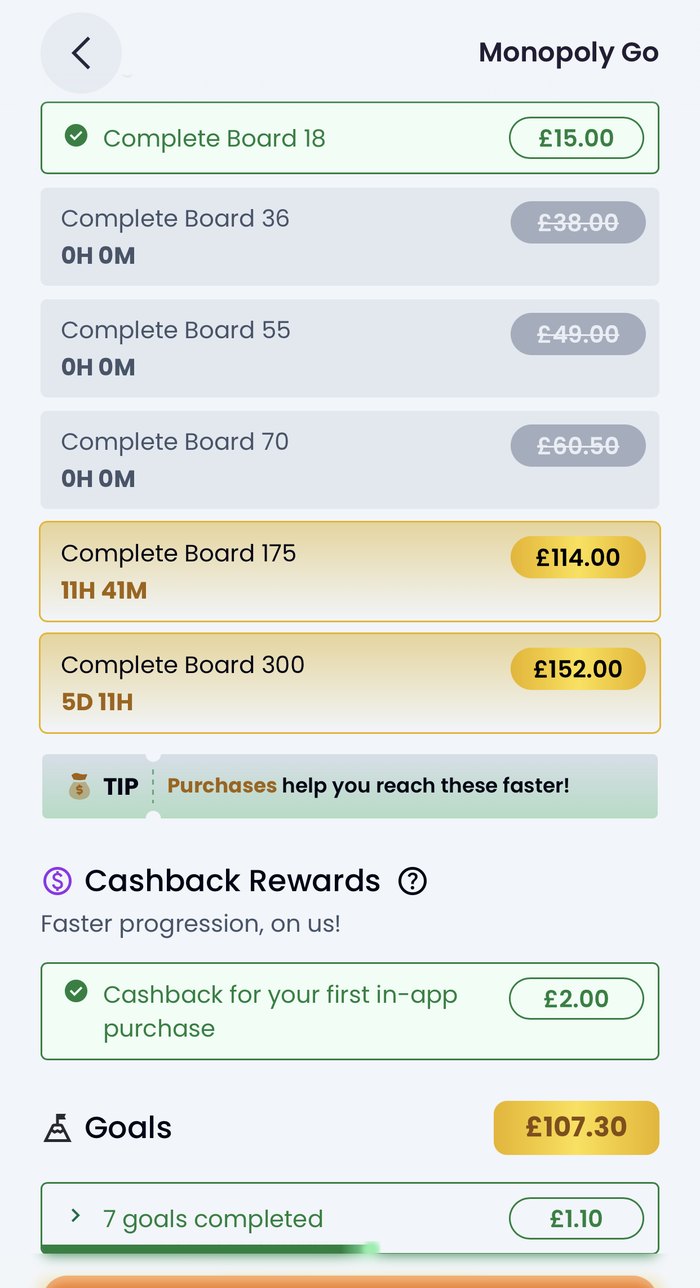
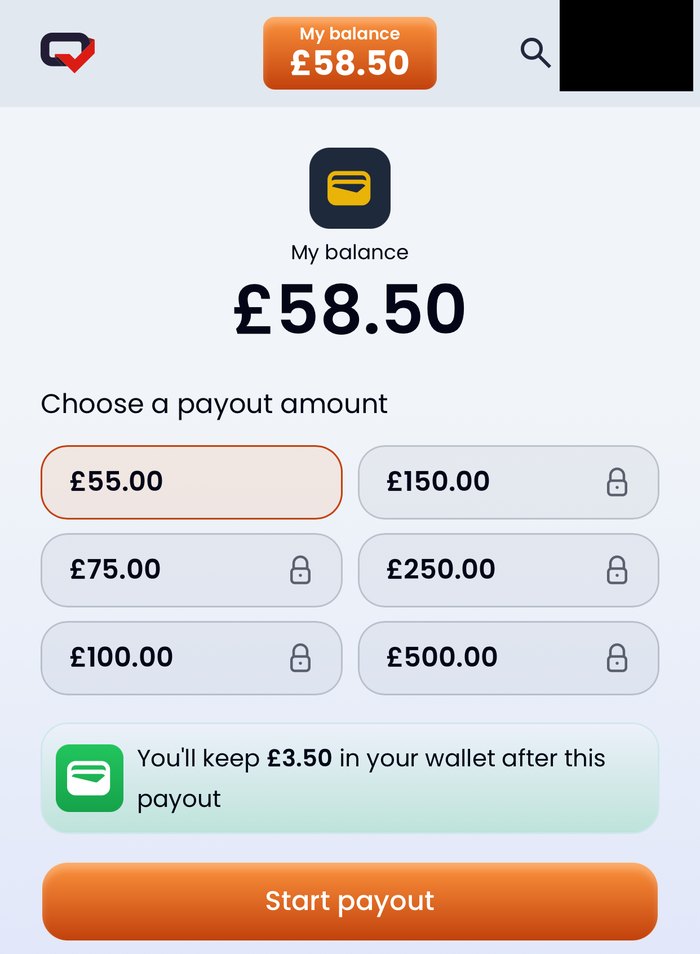
Our tester completed board 18 in Monopoly Go for £15.00, the largest single step on the account. The boards after it were priced at up to £152.00, each with its own deadline, and the game added £2.00 cashback for a first in-app purchase plus £1.10 for seven small goals. With £58.50 in the wallet, £55 was the amount open to choose; the higher amounts unlock as the balance grows, and the app tells you before you confirm what will be left in your wallet - here £3.50. This is income for time you spend playing, not money that arrives while you sleep. On free play alone our account gathered around 50p a day. What makes the £55 reachable are the timed steps, so it pays best if mobile games are already part of your evening.Testerup in our test: a Monopoly Go ladder and the payout screen
Passive income from things you own
If you own a home, the UK tax system gives you two of the most generous "free" allowances anywhere in Europe. Stacked together they can match a small investment portfolio’s annual income.
7. Rent a Room Scheme (the £7,500 tax-free loophole)
If you let a furnished room in the home you live in, HMRC’s Rent a Room Scheme lets you earn up to £7,500 a year tax-free. You do not need to declare it if you stay under the limit. If you go over, you only pay tax on the excess. That is one of the most generous tax breaks for ordinary householders in the UK, and people consistently overlook it.
Lodgers (not tenants on an Assured Shorthold Tenancy) are also easier to remove if things go wrong, which keeps the admin light. SpareRoom is the standard listing site.
8. Renting out your driveway or parking space
If you live near a city centre, station, hospital, airport, or Premier League ground, your driveway has value. List on JustPark or YourParkingSpace and it takes ten minutes. Earnings: £30/month in a quiet area, £200+ near central London or Manchester, more on matchdays.
The first £1,000 of property-related income each tax year is covered by the Property Allowance, so most casual driveway-renters pay no tax at all on it.
9. Renting out storage space
Same idea, different asset. Stashbee and Storemates let you rent out a garage, attic, loft or spare room as storage. Less flexible than parking (people commit longer), but income is steadier. The Property Allowance applies here too.
Other passive income streams
10. Peer-to-peer lending
P2P platforms (Loanpad, Assetz Capital, the Innovative Finance ISA wrappers) let you lend money to borrowers in exchange for interest, typically 4-8% gross. Returns are higher than savings rates because the risk is higher. FSCS protection does not cover P2P, so a borrower default can hit your capital. The Innovative Finance ISA wrapper makes P2P interest tax-free up to your ISA allowance.
11. Cashback on everyday spending
Not technically income, but it functions like a small dividend on money you were going to spend anyway. The combination that works:
- A cashback credit card (American Express Cashback, Chase debit card cashback, Barclaycard Rewards) used for monthly bills and groceries, paid off in full each month.
- A cashback portal (TopCashback, Quidco) for online shopping you would do anyway.
For a household spending £2,000 a month on cards, this realistically returns £200-£400 a year. HMRC does not tax cashback that is a rebate on your own spending - so it is tax-free.
12. Royalties from creative work you already own
If you have written a book, recorded music, or hold rights to photos or designs, royalties trickle in for years after the work is done. Platforms like KDP (Kindle Direct Publishing), DistroKid (music) and Shutterstock or Adobe Stock (images) handle the licensing and payments. The catch is the first part: you have to have already created the work. For people who already have content, royalties are genuinely passive and can compound over years.
UK tax-free allowances, stacked
The reason UK passive income is more attractive than people assume is the stack of tax-free allowances. Here is what a typical UK adult can earn tax-free in a single tax year, on top of the standard Personal Allowance of £12,570:
Stacked properly, a UK resident can keep a meaningful amount of passive income outside the tax system entirely. Premium Bond prizes and lottery wins are also tax-free, and so are the small earnings from background-data apps (within the £1,000 Trading Allowance).
How much passive income can you realistically build in the UK?
It depends entirely on starting capital. A rough guide:
The leverage point for most UK adults is not the size of the investments. It is using the Rent a Room Scheme, ISAs, and the smaller property/savings allowances together. The capital you do not have, you make up with the allowances you do.
What is not really passive (despite the listicles)
For honesty: these get listed in passive-income guides constantly and they are not genuinely passive. They can become passive years later if you build them well enough that the income outlasts your attention - but they all start as a job.
- YouTube from scratch. Script, film, edit, post, respond to comments. Algorithm changes punish gaps. A built-out channel earning ad revenue can become semi-passive after several years.
- Blogging for affiliate income. Needs ongoing SEO maintenance, content refreshes, link-building. A mature site can run on minimal upkeep, but new ones need months of active work.
- Digital products (templates, courses, ebooks). Decays in value if no one is updating or marketing it. Income tapers off without inputs.
- Print-on-demand and dropshipping. Marketed as passive; actually a low-margin retail business that needs marketing spend and customer service.
- Buy-to-let property. Tenant churn, maintenance, gas/EICR/EPC compliance, void periods, mortgage admin, and post-Section-24 tax treatment make it a small business, not passive income. REITs (above) are the truly passive version.
How we researched this guide
Who tested this for us
Testerup is the only app on this page we have used through to a payout. Our tester played on a UK account through August 2026 and asked for a £55 PayPal payout on 3 September; the Testerup screenshots come from that account.
The savings, investing, property and tax figures come from public sources and the providers' own pages. For MobileXpression we rely on what Comscore publishes; we have no account with it.
People who test for us are paid for the time they spend, work on their own devices at home with a single account and within the app's terms, and nothing on a screenshot shows who they are.
Passive income UK FAQ
What is the most realistic passive income in the UK?
For someone with capital: a Stocks & Shares ISA holding a dividend ETF or income trust (~4% yield, tax-free inside the wrapper). For someone without capital: the Rent a Room Scheme (£7,500 tax-free) if you have a spare bedroom, plus background-data apps and cashback. Most UK households end up with some mix of all three.
How do I start passive income in the UK with no money to invest?
Three steps. (1) Install MobileXpression on your phone - free, and it pays for zero effort. (2) Set up a cashback credit card (paid off in full each month) and a TopCashback or Quidco account for online purchases. (3) If you own a home, list a spare room on SpareRoom under the Rent a Room Scheme. That stack alone can return £100 to £8,000+ a year, almost all tax-free.
Is passive income taxable in the UK?
Generally yes, but most types have a dedicated tax-free allowance. Savings interest up to £1,000 is covered by the Personal Savings Allowance (basic-rate). Dividends up to £500 are covered by the Dividend Allowance. Lodger income up to £7,500 falls under Rent a Room. Small property income up to £1,000 is covered by the Property Allowance. Everything inside an ISA is tax-free regardless of amount. Premium Bond prizes are tax-free. Above those thresholds, passive income is taxed at your normal marginal rate.
How much passive income do you need to live off in the UK?
The PLSA’s 2024 retirement standards put a "moderate" single-person UK lifestyle at around £31,300 a year. Replacing that with passive income at a 4% withdrawal rate needs a pot of roughly £780,000 of invested capital, or some combination of dividend income, rental income and state pension. Most people aim for partial replacement (£5,000 to £10,000 a year) to supplement a pension or salary.
Is a Stocks & Shares ISA the right passive income vehicle for most UK adults?
For most adults with money to put aside long-term, yes. The £20,000 annual allowance shelters interest, dividends and capital gains from tax entirely; the dividend yield on a diversified UK or global income fund sits around 4%; and once a monthly direct debit is set up it runs hands-off. The main alternative for risk-averse holders is a Cash ISA or Premium Bonds; for income hunters, dividend trusts or REITs inside the same wrapper.
Are passive income apps legit in the UK?
The reputable ones are. MobileXpression is run by Comscore (NASDAQ: SCOR), a listed audience-measurement company. Apps like it pay in vouchers or PayPal and the privacy terms are explicit: anonymised browsing and app-usage data only, not personal messages or banking inputs. They are not get-rich-quick. They are pocket-money for sharing data you are sharing anyway with Google and Meta for free.
How long does it take to build passive income in the UK?
The apps and cashback start paying within weeks. Cash ISA interest pays monthly. Dividend income from a fund starts on the next pay-out date (usually within a quarter). Rent a Room income starts the day a lodger moves in. The slow part is investment income from capital that has to be built up over years - everything else is fast.
The easiest place to start
If you are not sure where to begin, MobileXpression is free and proves the principle within a week. If you would rather earn pounds per step, Testerup pays for game levels, and our tester was paid £55 to PayPal within two days.
The honest summary
True passive income in the UK is not a single magic move. It is a stack, and the British tax system rewards exactly this kind of stacking. The classical core of it sits in ISAs: dividend funds in a Stocks & Shares ISA, interest in a Cash ISA, prizes in Premium Bonds, gilts and REITs alongside. The capital does the work, the wrapper keeps HMRC out of it.
On top of that, the no-capital streams add up faster than people expect: a lodger under Rent a Room (£7,500 tax-free), a driveway on JustPark, cashback on spending, the two background-data apps for pocket money. None will replace your salary on day one. Stacked together over a few years and topped up with regular ISA contributions, they reach a level where they make a real difference.
Start where the friction is lowest. If you have spare cash, open a Stocks & Shares ISA today and set up a direct debit. If you do not, the two apps cost nothing and prove the principle. Add the next layer when you are ready.

Dr. Mira Maier is Editor-in-Chief of European Funding Guide and has been writing about scholarships and study financing since 2012.